VIP member
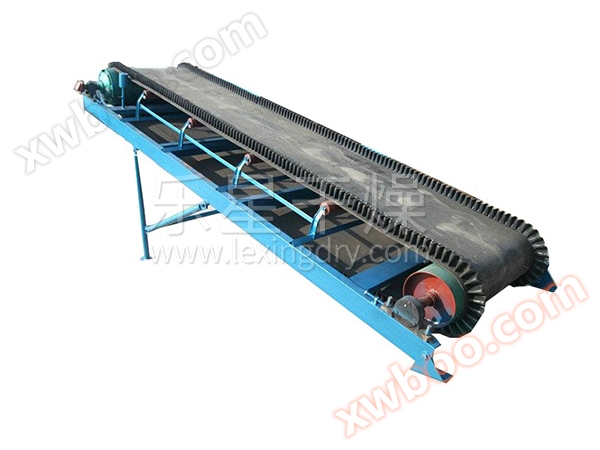
DS belt conveyor
Belt conveyors use the continuous or intermittent motion of conveyor belts to transport various items of different weights and sizes. They can transpo
Product details
Belt conveyors use the continuous or intermittent motion of conveyor belts to transport various items of different weights and sizes. They can transport various loose materials, as well as small individual items such as cardboard boxes and packaging bags, and have a wide range of uses.
The materials of conveyor belts include rubber, plastic, PVC, PU and other materials. In addition to being used for conveying ordinary materials, they can also meet the requirements of conveying materials with special requirements such as oil resistance, corrosion resistance, and anti-static. Using specialized food grade conveyor belts, it can meet the requirements of industries such as food, pharmaceuticals, and daily chemical products.
There are various structural forms such as groove belt conveyor, flat belt conveyor, climbing belt conveyor, turning belt conveyor, etc. The conveyor belt can also be equipped with lifting baffles, skirts and other accessories to meet various process requirements. Both sides of the conveyor are equipped with workbenches and light racks, which can be used as assembly lines for electronic instruments, food packaging, and other applications. The driving method includes: reduction motor drive.
The speed regulation methods include variable frequency speed regulation and infinite speed regulation. The rack materials include carbon steel, stainless steel, and aluminum profiles. Equipment features: Smooth conveying, no relative movement between the material and the conveyor belt, which can avoid damage to the conveyed material. Low noise, suitable for work environments that require quietness. The structure is simple and easy to maintain. Low energy consumption and low usage cost.
The materials of conveyor belts include rubber, plastic, PVC, PU and other materials. In addition to being used for conveying ordinary materials, they can also meet the requirements of conveying materials with special requirements such as oil resistance, corrosion resistance, and anti-static. Using specialized food grade conveyor belts, it can meet the requirements of industries such as food, pharmaceuticals, and daily chemical products.
There are various structural forms such as groove belt conveyor, flat belt conveyor, climbing belt conveyor, turning belt conveyor, etc. The conveyor belt can also be equipped with lifting baffles, skirts and other accessories to meet various process requirements. Both sides of the conveyor are equipped with workbenches and light racks, which can be used as assembly lines for electronic instruments, food packaging, and other applications. The driving method includes: reduction motor drive.
The speed regulation methods include variable frequency speed regulation and infinite speed regulation. The rack materials include carbon steel, stainless steel, and aluminum profiles. Equipment features: Smooth conveying, no relative movement between the material and the conveyor belt, which can avoid damage to the conveyed material. Low noise, suitable for work environments that require quietness. The structure is simple and easy to maintain. Low energy consumption and low usage cost.
Online inquiry
-
Contacts
-
Company
-
Telephone
-
Email
-
WeChat
-
Verification Code
-
Message Content
-